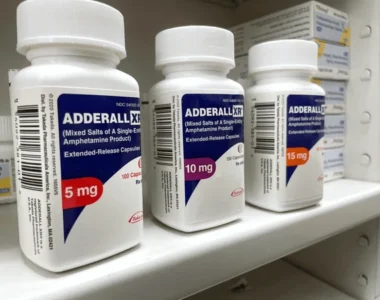

ER vs XR, 5In the realm of pharmaceuticals, you may come across various formulations of medications designed to manage chronic conditions or provide long-lasting relief. Two common terms that often arise are Extended Release (ER) and Extended-Release (XR). While these terms are frequently used interchangeably, they refer to specific types of drug formulations that are designed to release medication into the bloodstream over an extended period. Understanding the differences between ER and XR formulations can help you better comprehend your medication options and their effects.
What is Extended Release (ER)?
Extended Release (ER) formulations are designed to release a drug into the bloodstream gradually over a longer period than immediate-release (IR) formulations. This gradual release helps maintain a more consistent drug level in the body, reducing the need for frequent dosing.
Key Features of ER Formulations:
- Prolonged Duration: ER medications are designed to provide therapeutic effects for an extended period, often 12 to 24 hours, depending on the specific drug and its formulation.
- Reduced Frequency of Dosing: Due to their extended-release properties, ER medications typically require fewer doses per day compared to immediate-release forms.
- Stable Drug Levels: ER formulations help in maintaining stable blood levels of the medication, which can lead to improved symptom control and reduced side effects.
What is Extended-Release (XR)?
Extended-Release (XR) is another term used to describe medications with a similar purpose as ER formulations: to provide a controlled release of the drug over an extended period. XR formulations are designed to release the active ingredient slowly and steadily, offering sustained therapeutic effects.
Key Features of XR Formulations:
- Controlled Release: XR medications use various technologies to control the rate of drug release, which helps in achieving a steady therapeutic effect.
- Convenience: Like ER formulations, XR medications typically require less frequent dosing, which can enhance patient adherence to the treatment regimen.
- Minimized Peaks and Troughs: XR formulations help in minimizing the fluctuations in drug levels, which can lead to more consistent symptom management and fewer side effects.
ER vs XR: Are They the Same?
In many cases, ER and XR are used interchangeably, as both refer to formulations designed to release medication over an extended period. However, there can be slight differences in their release mechanisms and technologies:
- Release Mechanism: Both ER and XR formulations use different technologies to control the release of the medication. ER formulations might use matrix systems or coating techniques, while XR formulations could use osmotic systems or other advanced methods.
- Brand Terminology: Some pharmaceutical companies use “ER” and “XR” to denote different brands or formulations of the same medication. It’s essential to understand the specific product you are using and follow your healthcare provider’s instructions.
Why Choose ER or XR?
Choosing between ER and XR formulations often depends on several factors, including:
- Condition Being Treated: Some conditions may benefit more from one type of extended-release formulation over the other. Your healthcare provider will determine the most suitable option based on your specific needs.
- Dosing Convenience: ER and XR formulations offer the convenience of reduced dosing frequency, which can improve medication adherence and simplify your treatment regimen.
- Side Effects Management: Extended-release formulations can help in managing side effects by providing a more stable drug level, reducing the likelihood of peaks and troughs that may cause adverse effects.
Conclusion
Whether you encounter Extended Release (ER) or Extended-Release (XR) medications, understanding their purpose and benefits can help you make informed decisions about your treatment. Both ER and XR formulations are designed to provide long-lasting relief and improve medication adherence by reducing the frequency of dosing.
If you have questions about your medication or need clarification on the differences between ER and XR formulations, consult your healthcare provider. They can provide personalized guidance based on your medical condition and treatment needs, ensuring that you receive the most effective and convenient medication regimen.
You Might Also Like These:
Understanding Bunex: Uses, Dosage, and Precautions
Buying Adderall XR 25mg Online: What You Need to Know
Understanding White Xanax Bars: Dosage, Uses, and Precautions
Understanding Rohypnol (Flunitrazepam) and the Risks of Buying It Online
A Comprehensive Guide to Buying Dilaudid Online: Safety, Legality, and Best Practices