Introduction
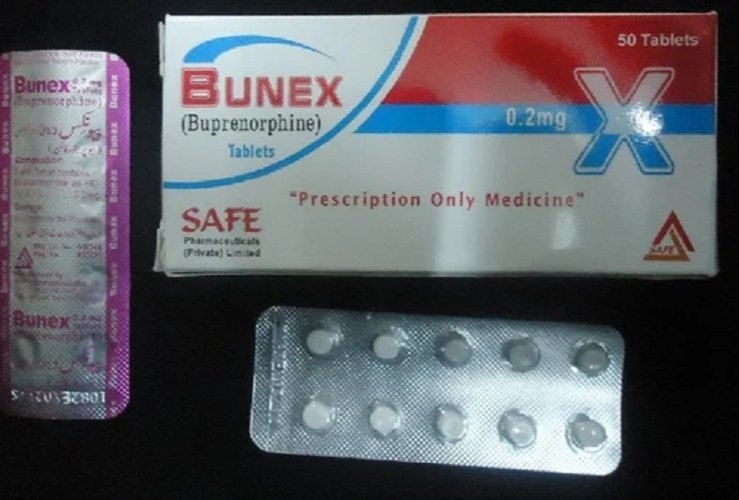
Bunex, Bunex, known generically as buprenorphine, is a powerful medication used primarily in the treatment of opioid dependence and pain management. As an opioid partial agonist, Bunex offers unique advantages in helping individuals manage chronic pain and overcome opioid addiction. This blog post will delve into what Bunex is, its uses, dosage guidelines, and important precautions to consider.
What is Bunex?
Bunex (buprenorphine) is a medication that belongs to the class of drugs known as opioid partial agonists. It works by binding to the opioid receptors in the brain, producing a mild to moderate opioid effect. This action helps to reduce withdrawal symptoms and cravings in individuals with opioid dependence while also providing pain relief.
Uses of Bunex
Bunex is prescribed for a variety of conditions, including:
- Opioid Dependence: Bunex is widely used in medication-assisted treatment (MAT) for opioid dependence. It helps to manage withdrawal symptoms and cravings, making it easier for individuals to reduce or stop their use of opioids.
- Chronic Pain: Bunex is also prescribed for managing moderate to severe chronic pain, especially in individuals who do not respond well to other pain medications.
Dosage and Administration
Dosage for Opioid Dependence: The dosage for treating opioid dependence varies based on the individual’s level of dependence and response to treatment. Typically, treatment begins with a low dose, which is gradually increased under medical supervision. The goal is to find the lowest effective dose that controls withdrawal symptoms and cravings.
Dosage for Pain Management: When used for pain management, the dosage of Bunex is tailored to the individual’s specific pain level and medical condition. The medication is usually taken every 6 to 12 hours as needed for pain relief.
Administration: Bunex is available in various forms, including sublingual tablets, films, and patches. The sublingual forms are placed under the tongue and allowed to dissolve, while the patches are applied to the skin and provide a continuous release of medication over time.
Precautions and Side Effects
Precautions
- Dependence and Abuse: Although Bunex has a lower potential for abuse compared to full opioid agonists, it can still be habit-forming. It is important to use this medication exactly as prescribed by a healthcare provider.
- Respiratory Depression: Bunex can cause respiratory depression, especially when taken in higher doses or combined with other central nervous system depressants such as alcohol, benzodiazepines, or other opioids.
- Liver Health: Bunex can affect liver function. Patients with pre-existing liver conditions or those who develop symptoms of liver problems should inform their healthcare provider immediately.
- Drug Interactions: Bunex can interact with various medications, including other opioids, sedatives, and certain antidepressants. It is crucial to inform your healthcare provider about all the medications and supplements you are taking to avoid harmful interactions.
Side Effects
Common side effects of Bunex include:
- Nausea
- Vomiting
- Constipation
- Sweating
- Headache
- Drowsiness
- Dizziness
Serious side effects may include:
- Severe respiratory depression
- Allergic reactions (rash, itching, swelling)
- Liver problems (yellowing of the skin or eyes, dark urine)
- Changes in mood or behavior (e.g., hallucinations, agitation)
If you experience any of these serious side effects, seek medical attention immediately.
Conclusion
Bunex (buprenorphine) is a valuable medication for managing opioid dependence and chronic pain. Its unique properties make it an effective tool in helping individuals achieve recovery from opioid addiction while also providing relief from persistent pain. However, due to its potential for dependence and serious side effects, Bunex should be used under the strict supervision of a healthcare professional.
By understanding the proper use, potential risks, and side effects of Bunex, patients can better manage their treatment and improve their quality of life. If you have any concerns or questions about Bunex or your treatment plan, do not hesitate to consult your healthcare provider. Your health and safety should always come first.